
Public organizations are asked to change constantly — usually without new resources. The change is the hard part.
New mandates, new technology, new expectations. We build the structure that carries the change, so the initiative you launch is still running a year later.
What you're actually buying
A mandate, policy, or system rollout that changes what people actually do — not just what they've been informed of.
A mandate, policy, or system rollout that changes what people actually do — not just what they've been informed of.
Initiative implementationCases, briefings, and narratives that move boards, funders, and legislative audiences to commit resources — not just to understand the request.
Cases, briefings, and narratives that move boards, funders, and legislative audiences to commit resources — not just to understand the request.
Funding & stakeholder communicationLeadership sessions that end with owners, trade-offs, and a decision that holds — instead of another meeting on the calendar.
Leadership sessions that end with owners, trade-offs, and a decision that holds — instead of another meeting on the calendar.
Executive decision supportAI that moves from a curiosity in one unit to a governed part of the workflow, with the workforce equipped to defend and improve it.
AI that moves from a curiosity in one unit to a governed part of the workflow, with the workforce equipped to defend and improve it.
AI adoption & workforce enablementPartner organizations, divisions, or contracted providers that need to work as one system and currently don't.
Partner organizations, divisions, or contracted providers that need to work as one system and currently don't.
Partnership & conflict facilitationManagers who stop absorbing every problem themselves and start building capacity in the people around them.
Managers who stop absorbing every problem themselves and start building capacity in the people around them.
Leadership development
The pattern
Most public organizations are not short on effort or expertise. They're short on the connective structure between a decision and the daily behavior it depends on.
So the mandate gets announced, the sessions get delivered, attendance gets tracked — and six months later the work has quietly reverted. Nobody failed. There was just nothing holding the change in place.
The structure
A workshop that isn't wrapped in a change structure ends when the room empties. Anything worth training is worth building that structure around — decisions, messaging, leadership, adoption, follow-through.
So every engagement is built as a change effort first. What gets decided, how it gets communicated, who reinforces it, how it's measured, and what happens when it meets resistance — those are designed before any content is delivered.
That's why the same approach works for a statewide AI rollout and for two nonprofits that can't agree on a shared client intake process. The subject changes. The structure doesn't.
The approach
Map uncertainty, urgency, and importance so leadership teams commit faster and revisit less.
Why change, why now, why this — sequenced so people can act on it.
Boards, funders, and legislative audiences leave knowing what to do.
Managers who diagnose gaps and flex to skill, stage, and signal — rather than defaulting to the one style that got them promoted.
Hands-on workflows, agents, and applications for the people doing the work. Humans stay in the loop where judgment belongs.
Why this is harder here
When you are accountable to statute, a change has to survive audit and legislative scrutiny — so it has to be documented as carefully as it is designed. When you are accountable to members, risk tolerance is structurally low, and governance has to lead rather than follow. When you are accountable to a board and funders, the change has to be defensible in a grant report and a board meeting before anyone sees a result.
Most of you are carrying more than one of these at the same time. That is the actual complexity, and it is what a private-sector change playbook does not account for.
Where the methods come from
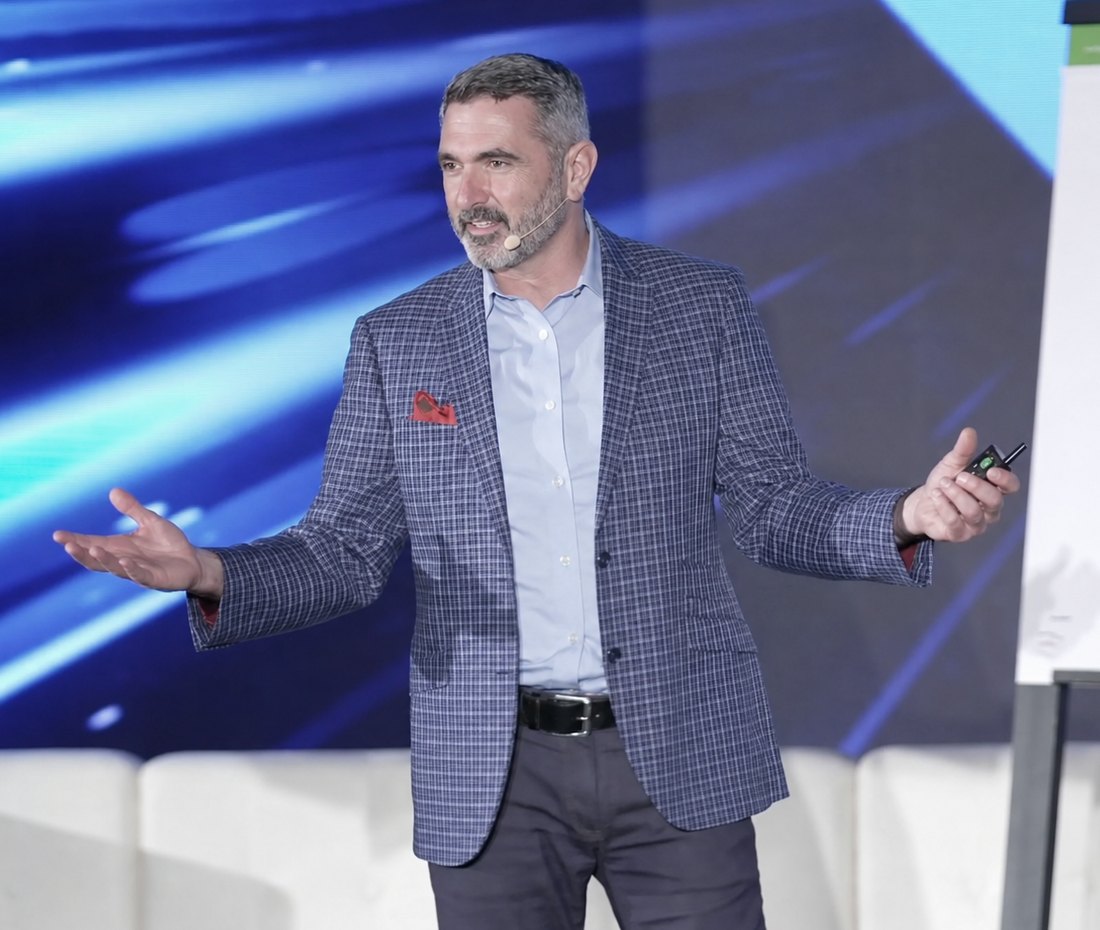
Private-sector precision. Public-service mission. Systems that last.
These frameworks were developed inside high-growth and Fortune 100 organizations — environments where a leadership program that didn't change behavior was cancelled, not repeated. Grounded in decision science. Tested where the measurement was unforgiving.
Public service has harder constraints and higher stakes, and it deserves the same rigor. That's the whole premise: private-sector precision, public-service mission.


Start here
Not what training you need. Start with the change you're accountable for, and we'll work backward to what it takes to make it hold.
Schedule a conversation